Vendor Strategy · Adelaide
Why Adelaide Buyers Buy: The Psychology Behind Property Styling
Property styling is not decoration. It is a precision instrument aimed at the two forces that actually move a buyer: the fear of loss, and the pull of a future self.
There is a persistent belief that property styling is an aesthetic service, there to make a home look its best. That is true, and it is not the point. Styling is a behavioural intervention. Its job is to compress a buyer's decision timeline, quiet their hesitation and create the emotional conditions under which they commit at a price they might otherwise have resisted. Done well, it does not make your home look better. It makes walking away feel worse.
The two psychological levers
Decision-making under uncertainty is not rational. Buyers respond to emotional cues and mental shortcuts that are largely invisible to them. Styling works on two in particular, and the order matters.
Loss aversion, then aspiration
- Loss aversion fires first, at the inspection, when a space feels immediately inhabitable. People feel a loss about twice as intensely as an equivalent gain, so a buyer who mentally claims a home begins to fear losing it.
- Aspiration fires second, when the buyer starts staging their own life inside the property. The question is not could I live here, but could I become who I want to be here.
How loss aversion drives competition
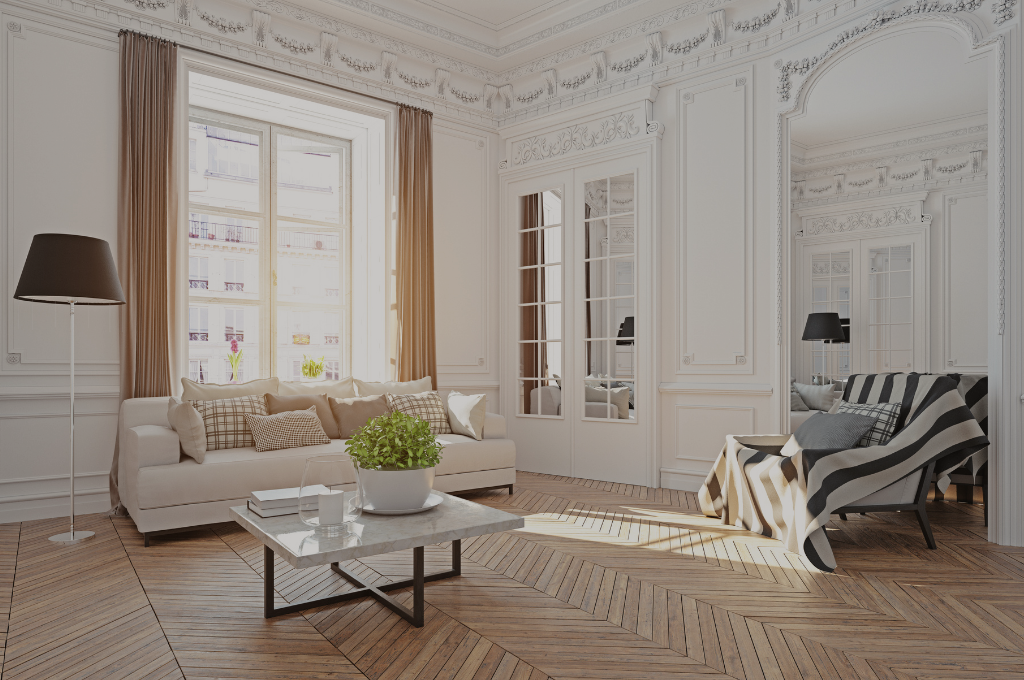
A well-styled property accelerates mental claiming. The furniture scale shows how a buyer's own pieces would fit. The neutral palette removes friction between their taste and the space. The considered lifestyle cues signal a life they recognise and want to protect. The moment a buyer thinks this is already mine, their negotiating posture changes. It is not that more buyers like the home. It is that more buyers are afraid of losing it, and that fear compresses the timeline. Delay starts to feel like risk, which is what produces first-week offers and premium bids.
How aspiration creates price tolerance
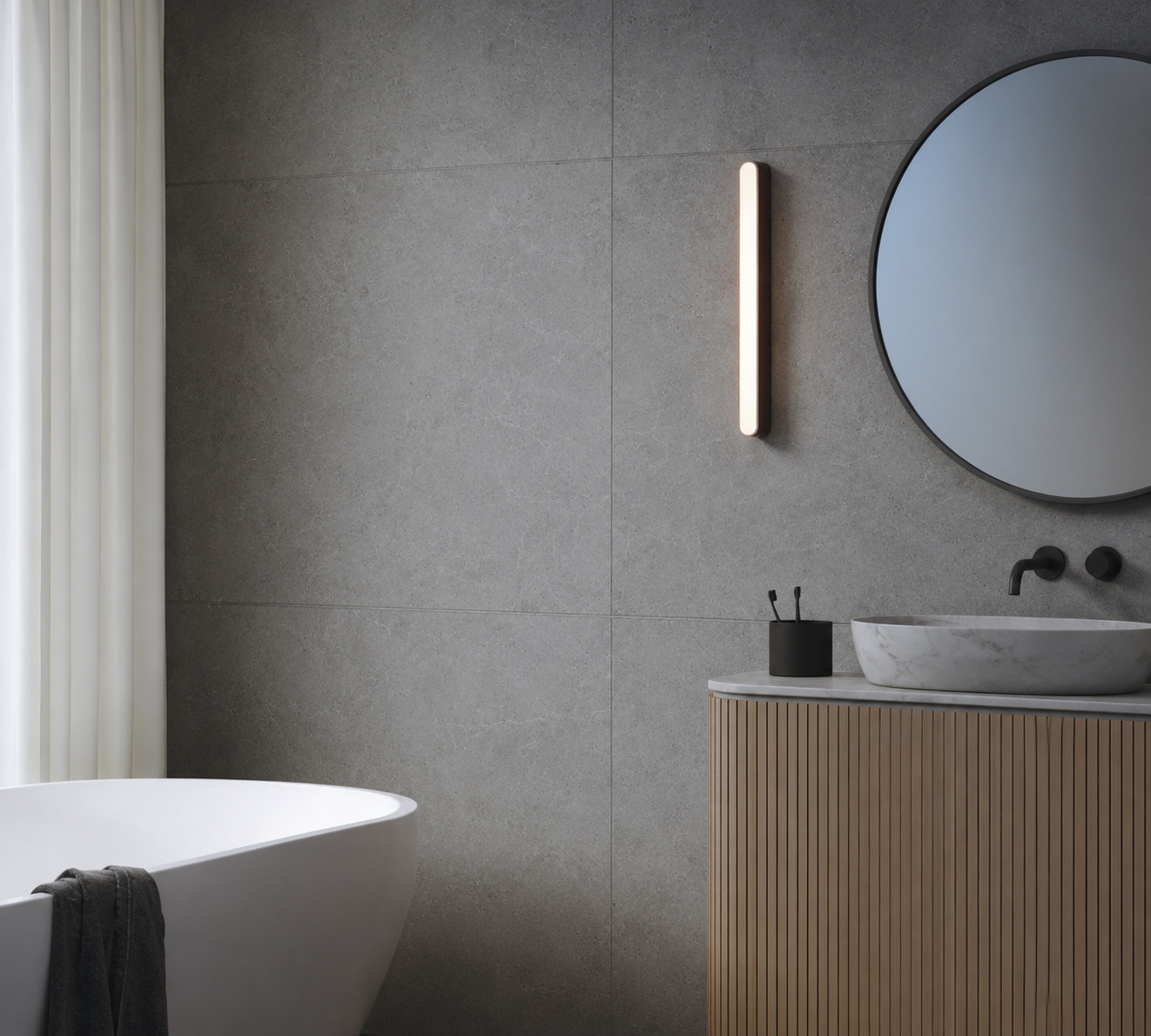
The deeper mechanism is identity. A buyer's subconscious question is what does living here say about who I am. Styling that creates a coherent identity narrative, of considered decisions and an intentional life, makes the right buyer not just want the home but need it, and need makes them far more price tolerant. This is why budget styling underperforms. It optimises for broad appeal and feels like home to no one. The target buyer for a home in Dulwich or Unley is a specific person with a specific self-image, and presentation that does not speak to that image fails at its main job.
What most vendors get wrong
The costly errors
- Choosing styling on personal taste rather than the likely buyer's profile.
- Under-investing because the home "shows well already".
- Treating a furnished home and a styled home as the same thing. A home full of your own furniture, however beautiful, signals that it is still someone else's.
- Styling to the wrong price tier. Presentation pitched well below the target price is decoration, not styling, and the property negotiates from weakness.
Presentation is not the only lever in a campaign. Pricing, timing and negotiation all carry weight, and each shapes whether a home reaches its true value. But presentation fires first. A buyer who does not feel the property at the inspection never becomes an engaged negotiator.
The Adelaide context
South Australia's buyer pools have shifted, with sustained interstate migration bringing buyers who carry different reference points for what a premium home looks like and what they expect to pay. Many are comparing Adelaide to Melbourne or Sydney and see a lifestyle upgrade at a price that still feels restrained, which makes them more responsive to aspirational cues. For homes in the upper-middle tier, considered styling has moved from a nicety to a strategic decision, calibrated to a specific buyer rather than applied by convention.
Common questions
Does property styling actually increase the sale price?
Consistently, styled homes tend to sell faster and for stronger prices, because presentation drives the emotional engagement that fuels competition. The gain comes not from looking nicer but from shifting buyer psychology at the inspection.
Is styling worth it if my home already looks good?
Often yes. A home furnished with your own pieces still reads as someone else's. Professional styling creates a neutral but aspirational canvas that lets the buyer project their own life onto the space, which is where price tolerance comes from.
How much should I spend on styling?
It should be proportionate to the price tier and calibrated to the likely buyer. Styling pitched well below the target price undercuts the very psychology it is meant to trigger. This is general information, not financial advice.
Sell on strategy, not just style
If you are preparing to sell, the conversation worth having is about buyer psychology and campaign strategy, not just presentation. Willow is glad to work through it with you.
Request a strategic appraisalThis article is general information for South Australian property owners and is not financial or legal advice. Consider advice specific to your property and market before investing in presentation.